
Bride Welcome Decoration Services



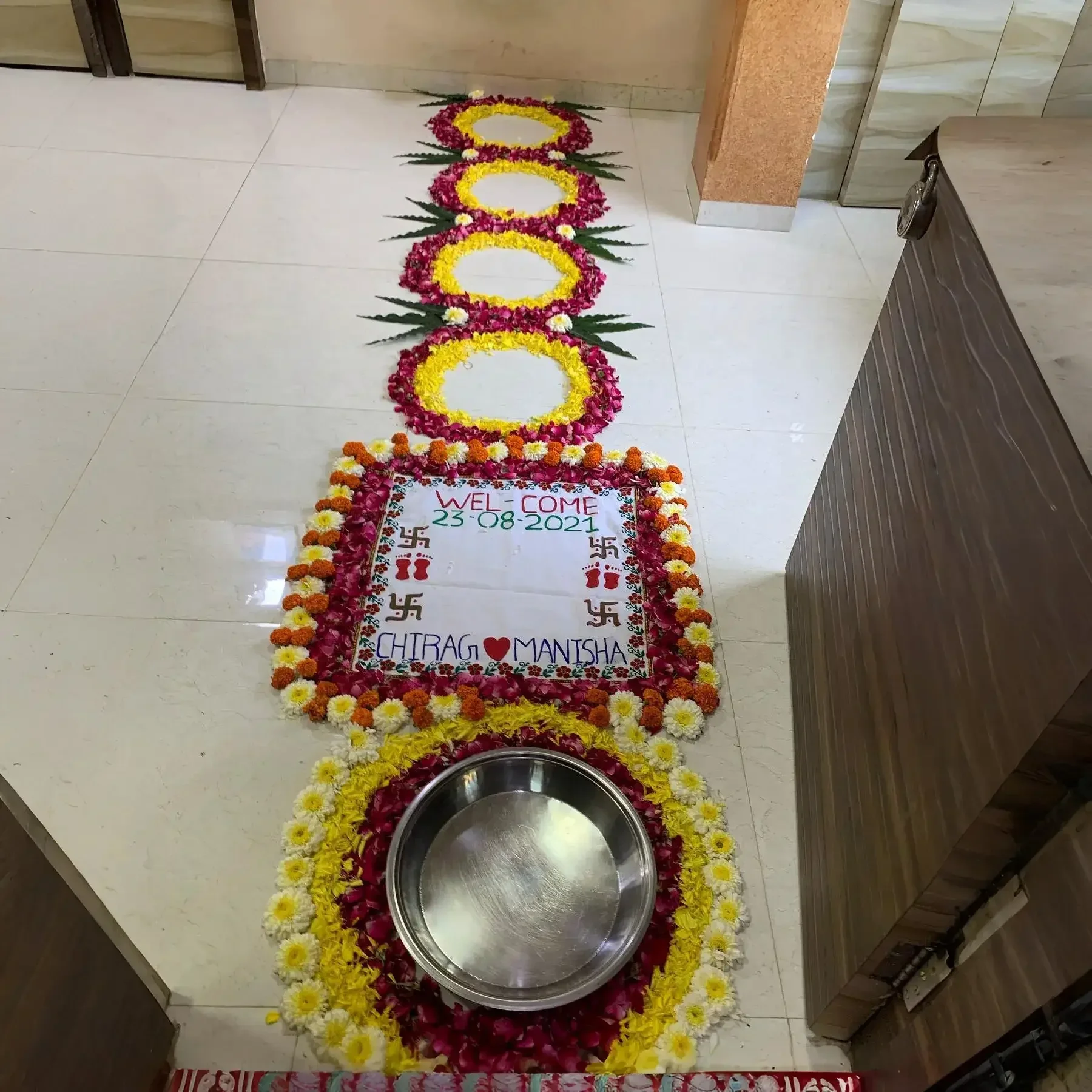
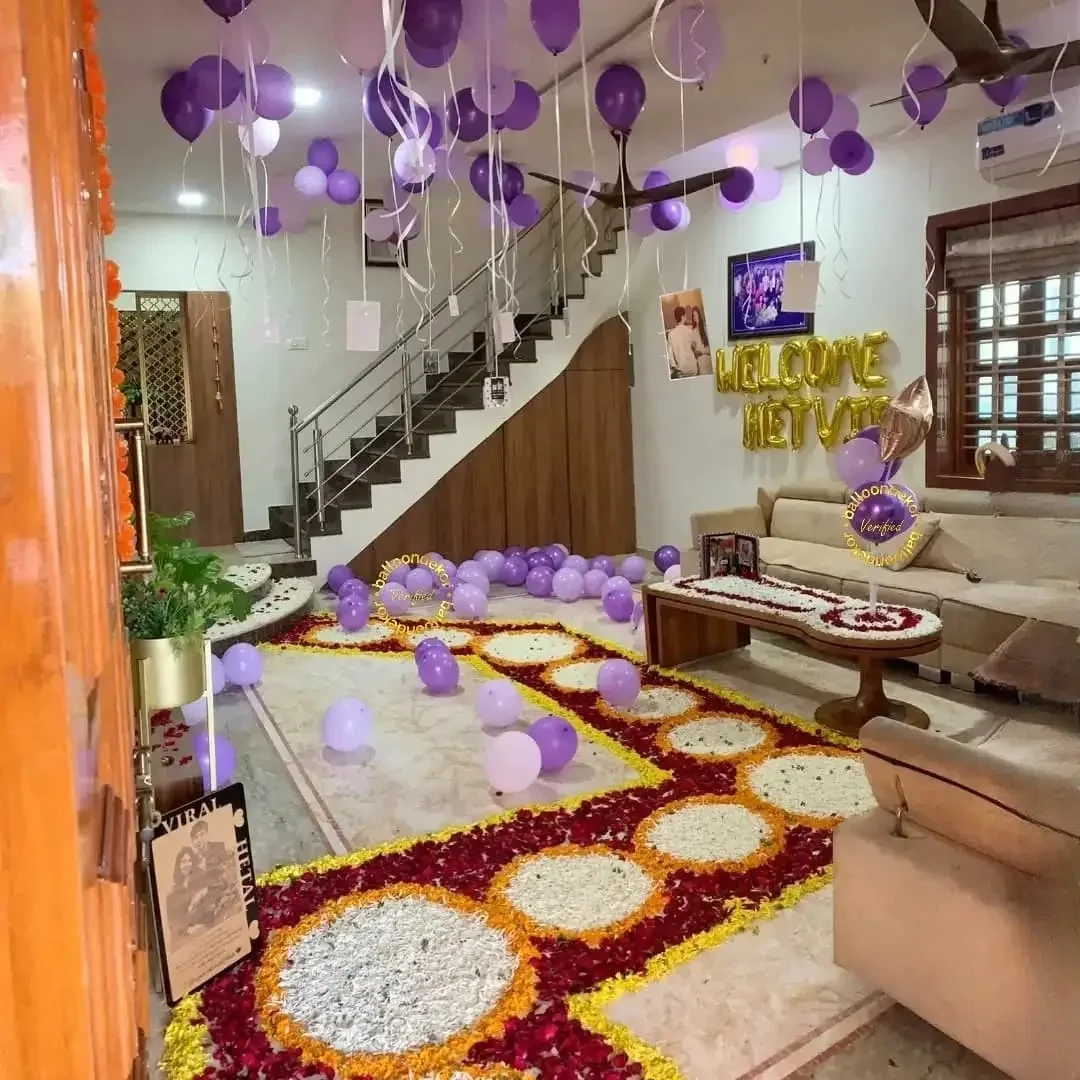
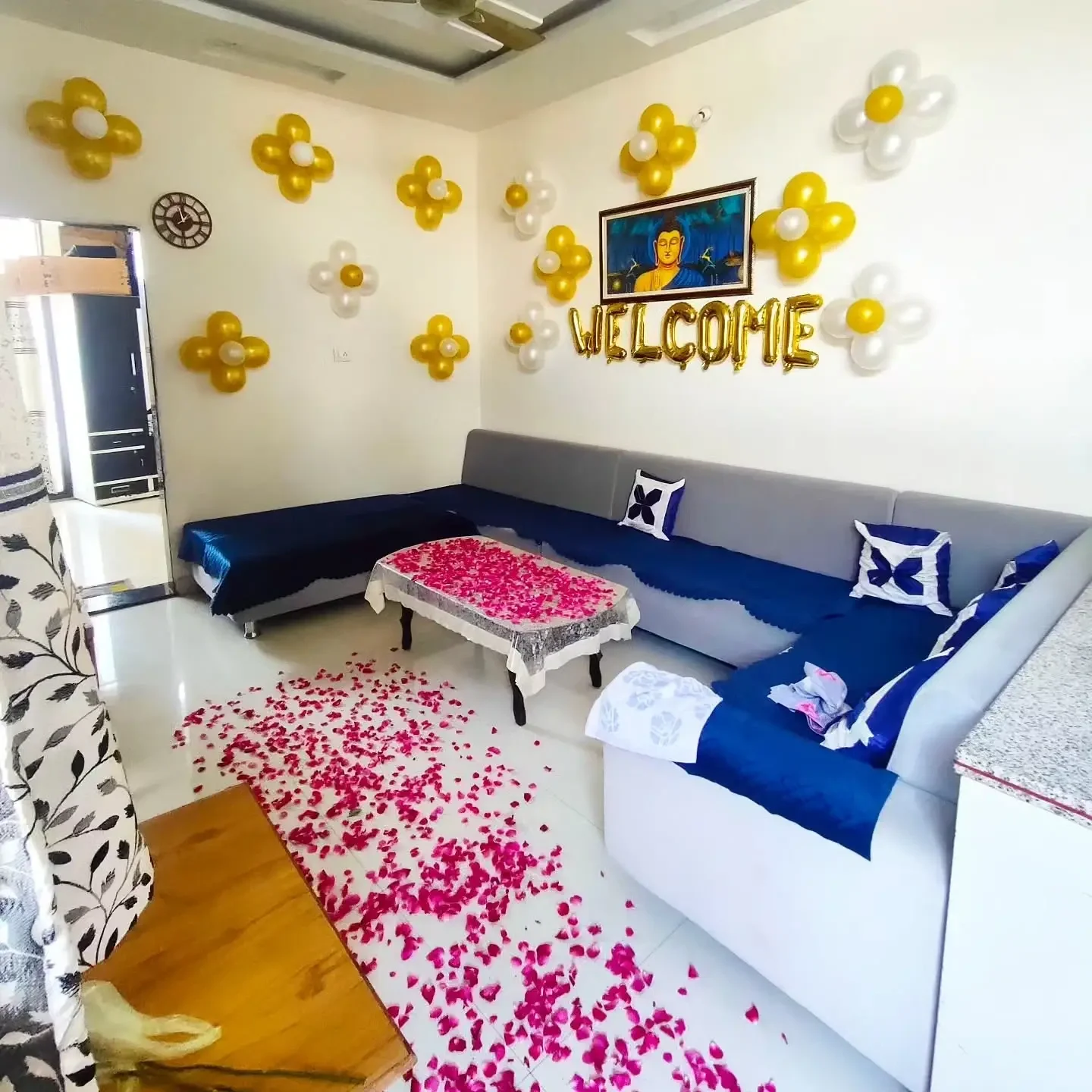
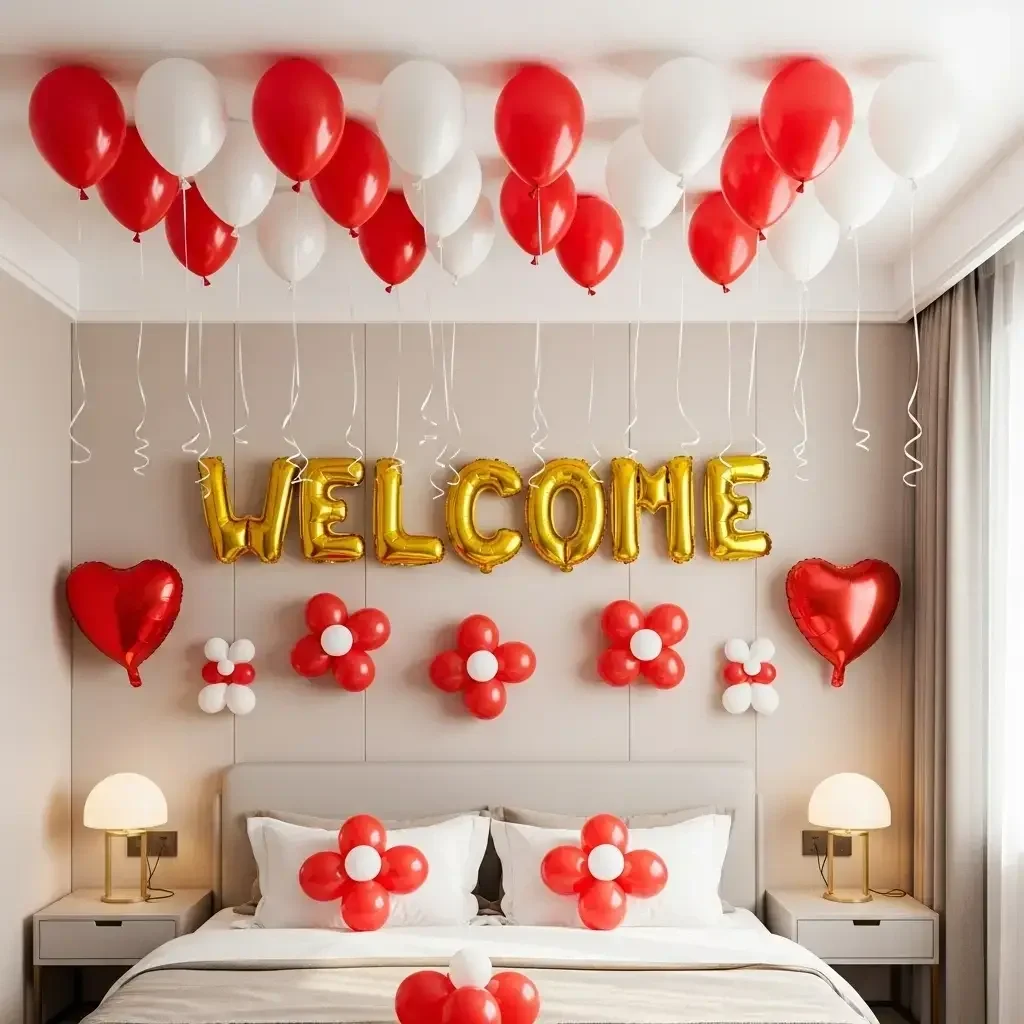

Customer Feedback
Bride Welcome Decoration Across India Making Her Entrance Unforgettable, Wherever the Wedding Is
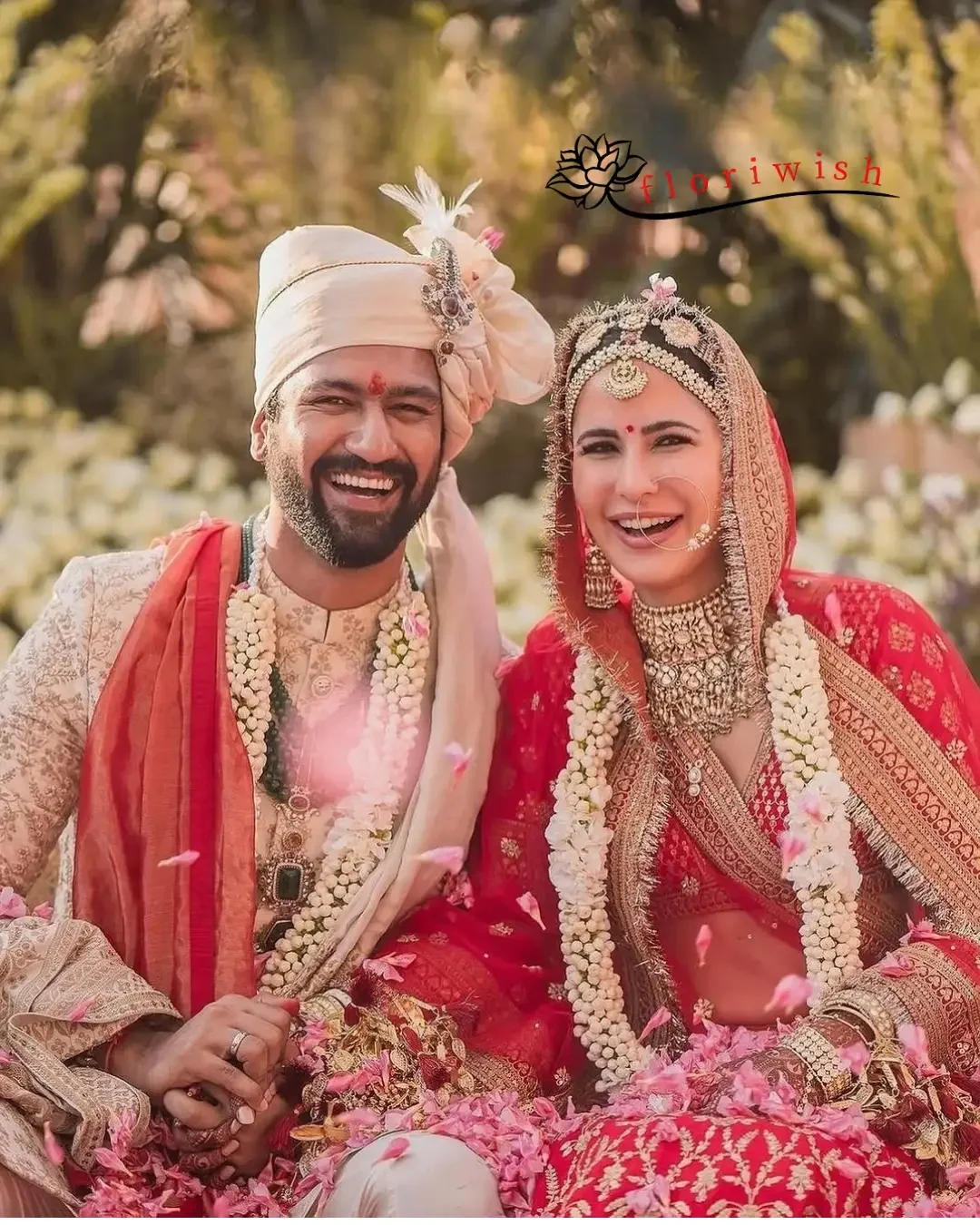
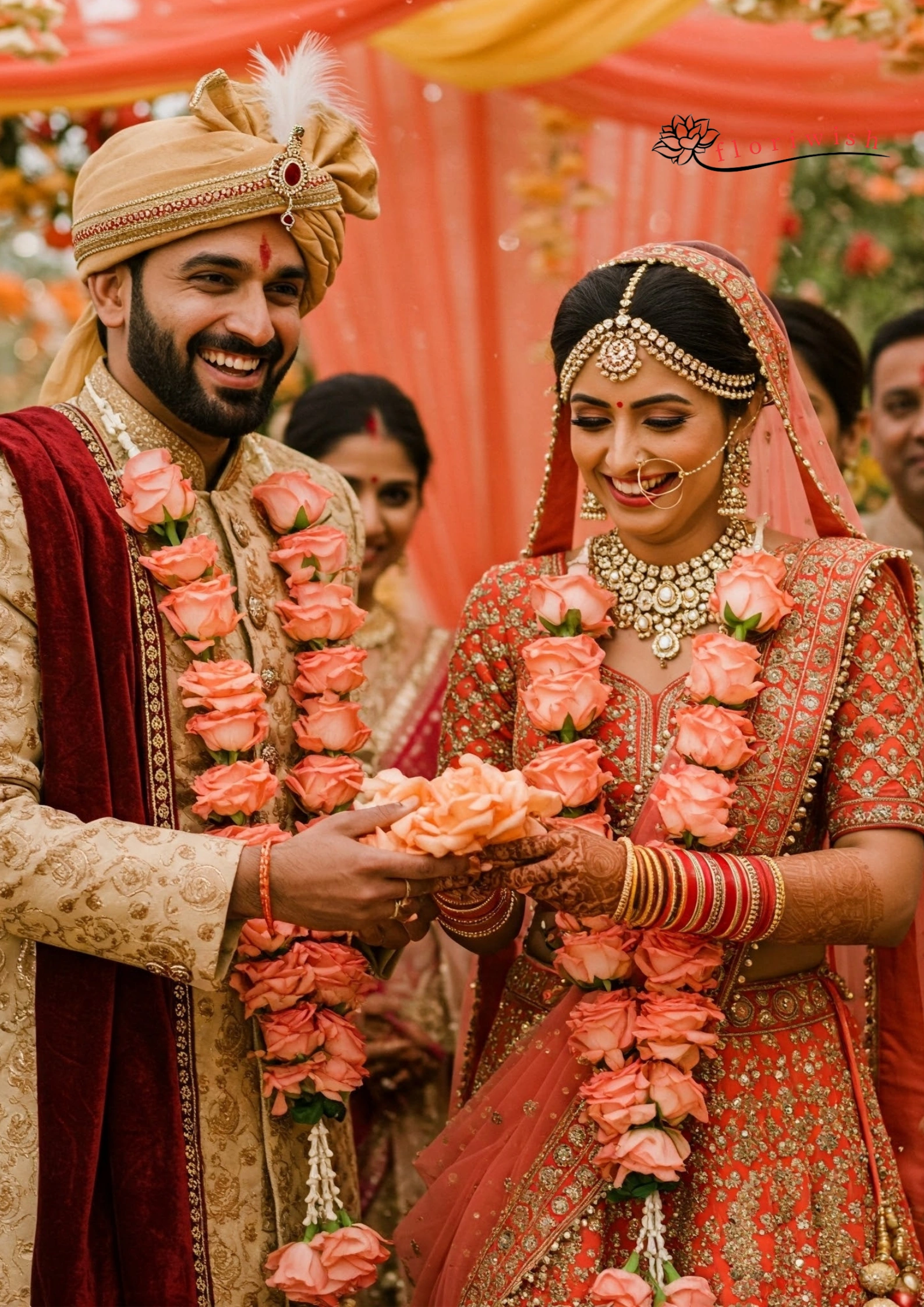
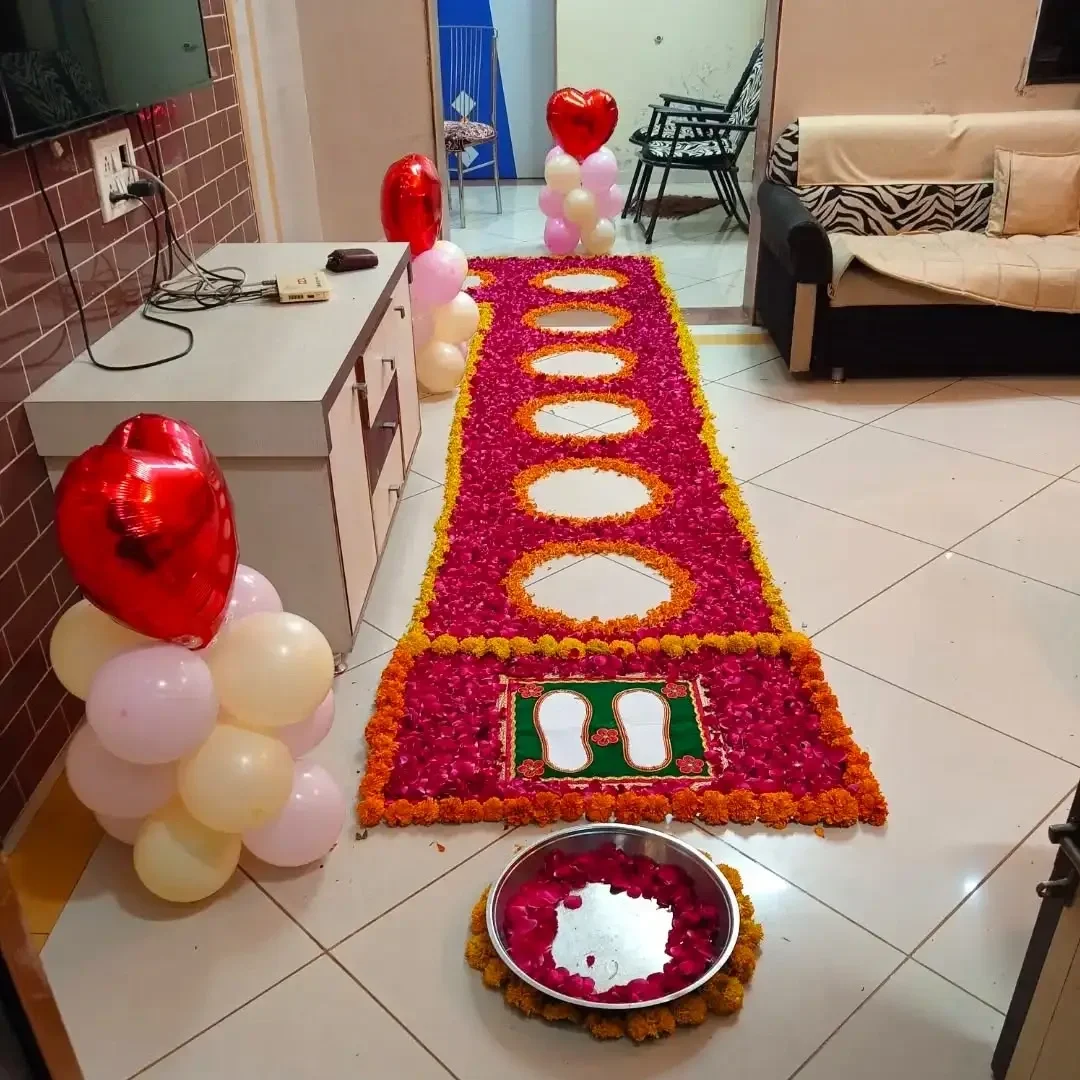
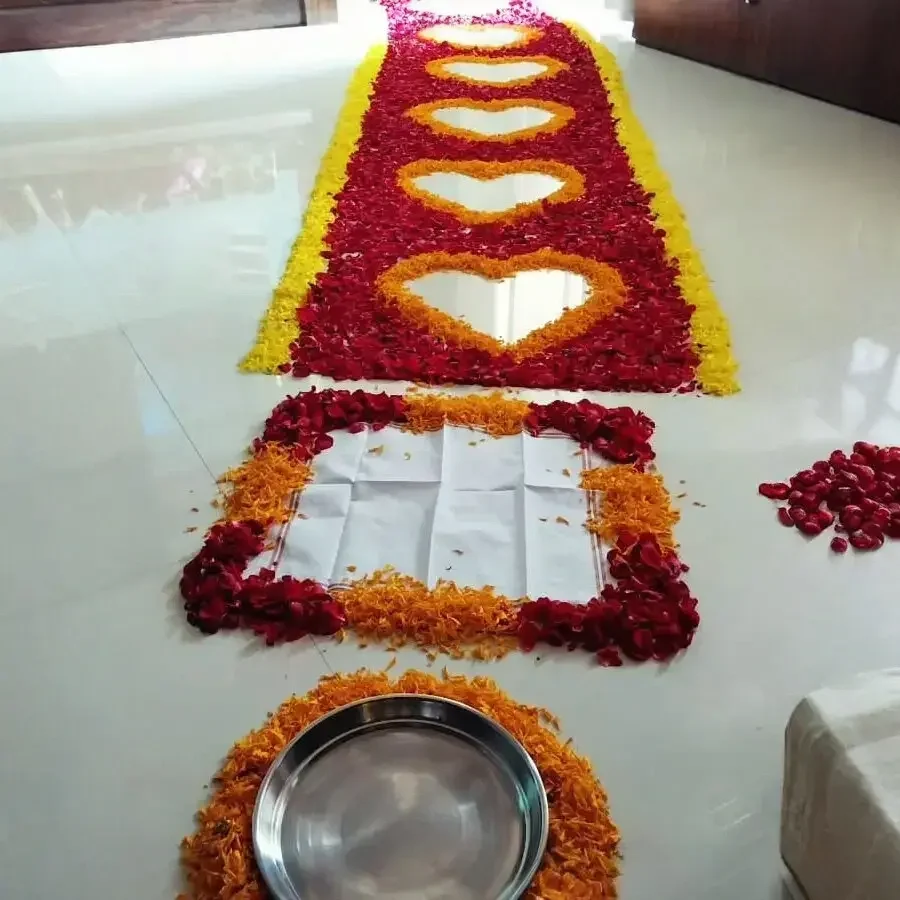
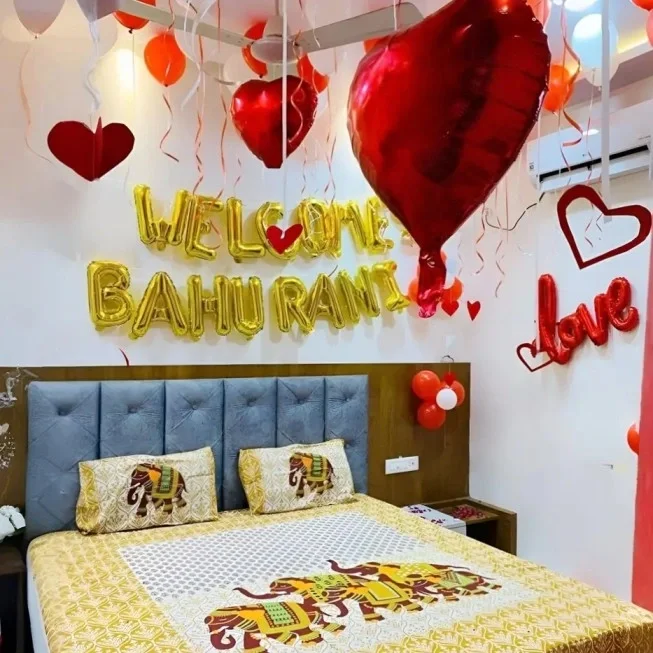
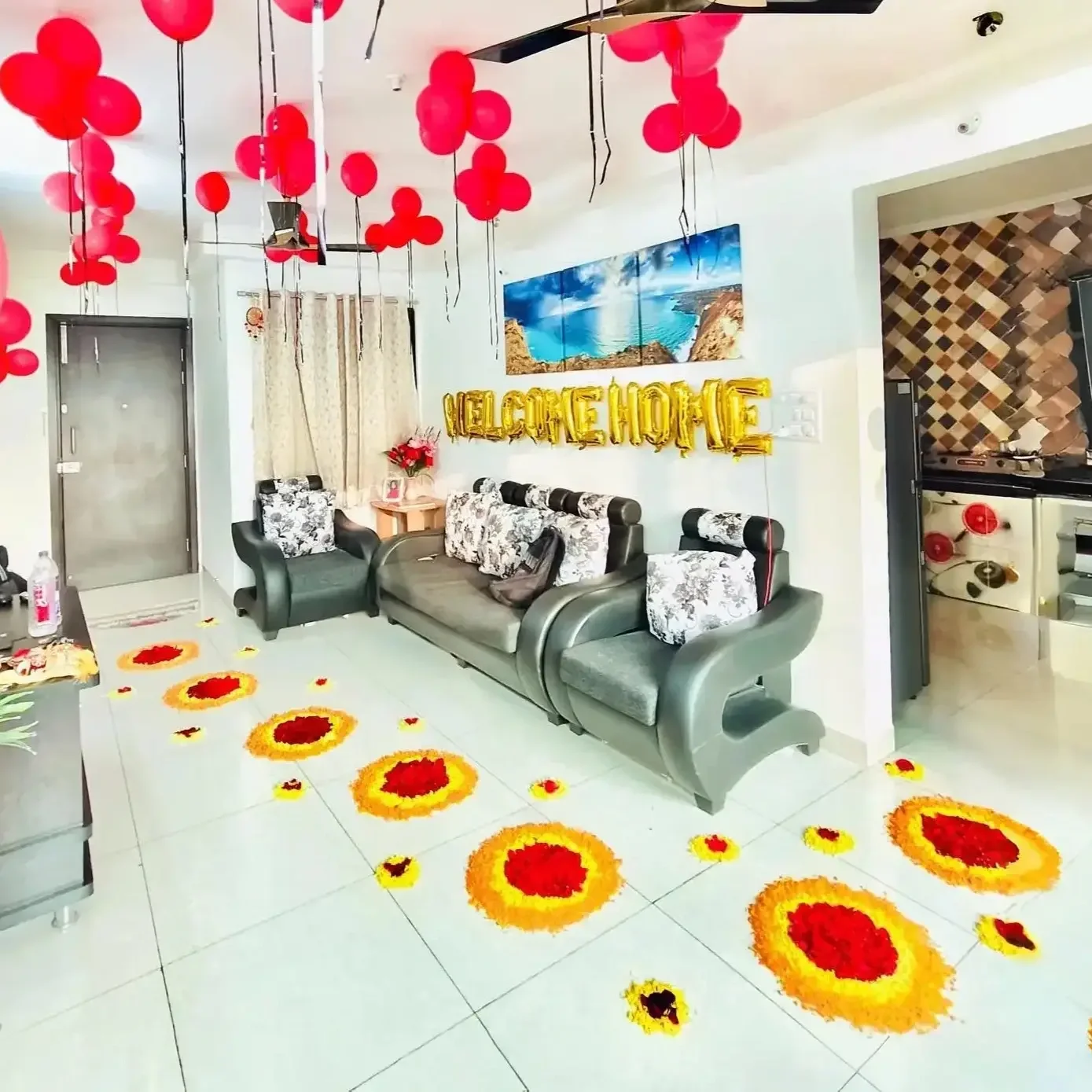
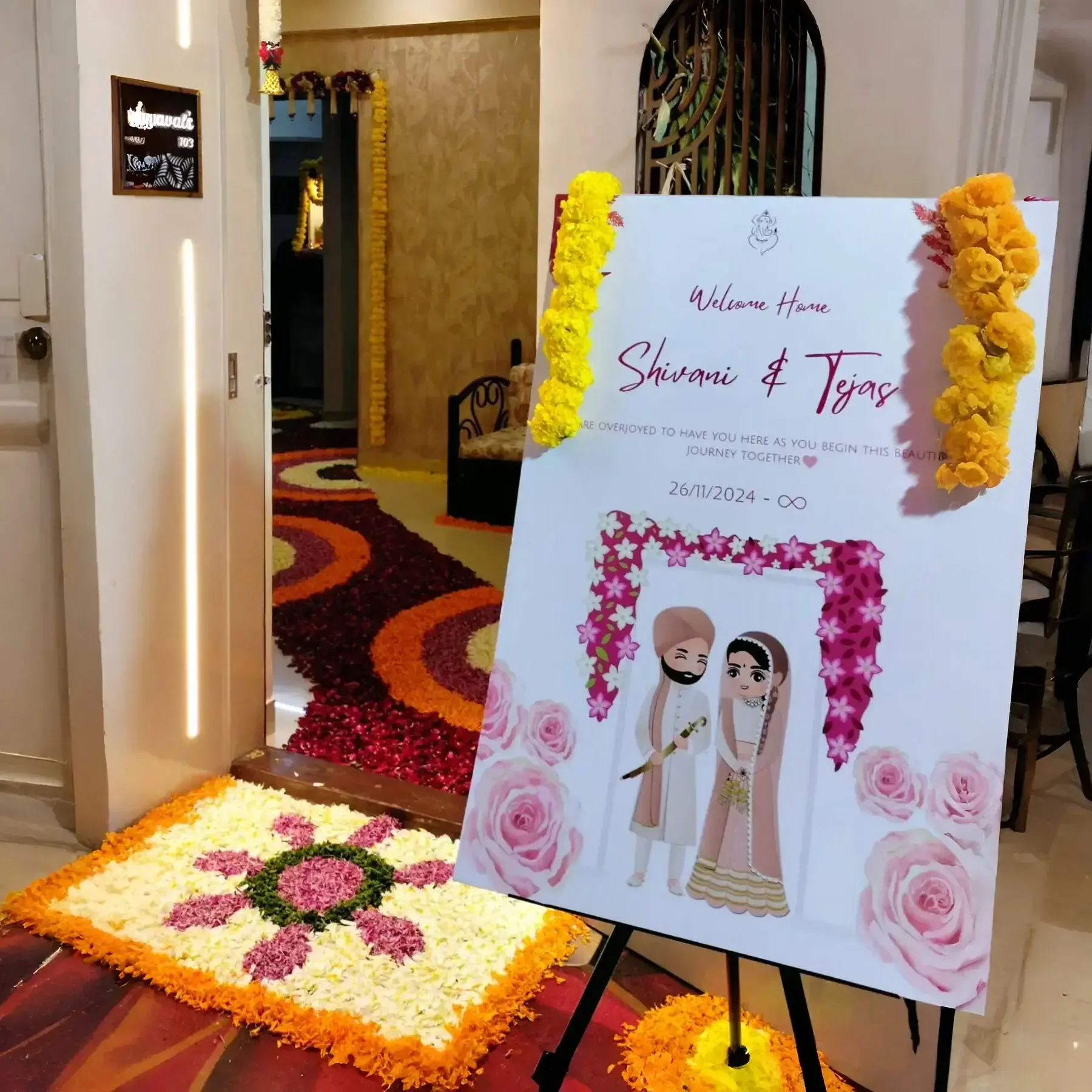
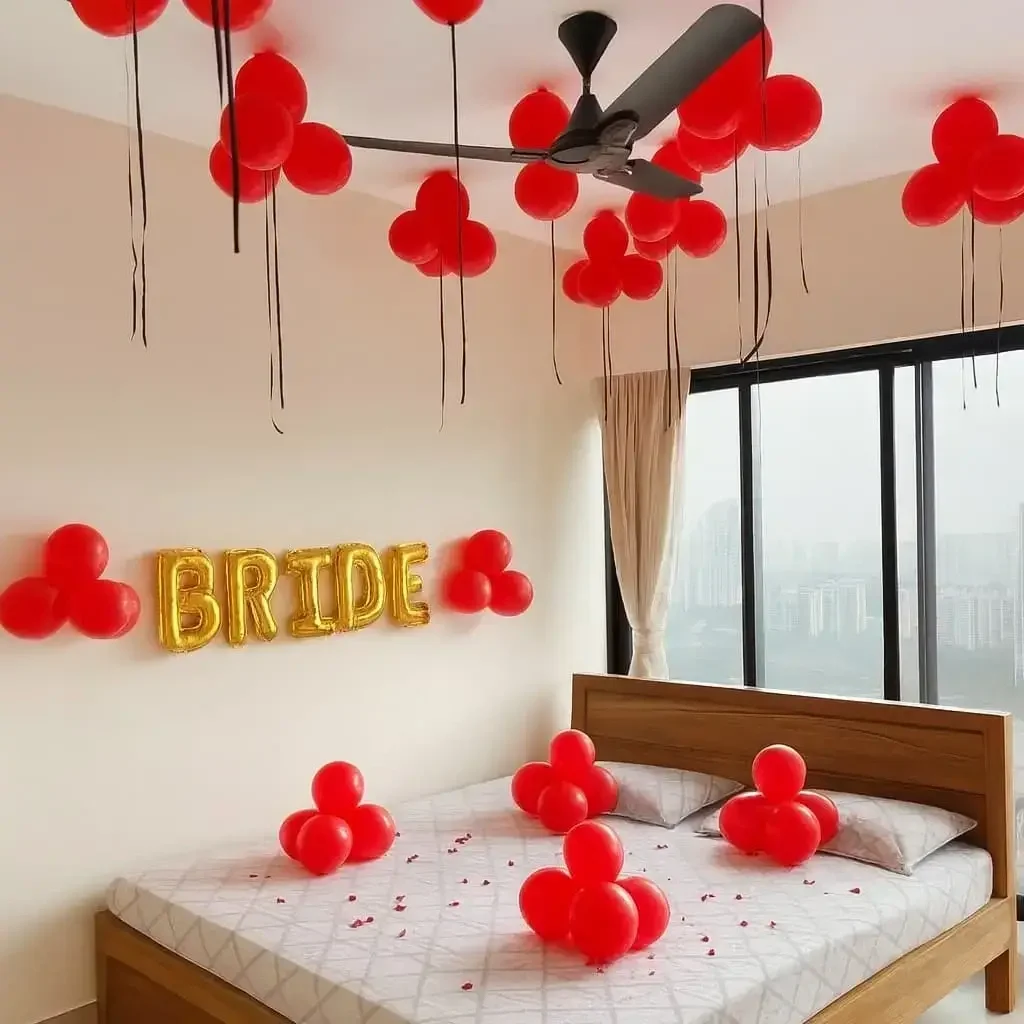
There's a particular fifteen minutes at every Indian wedding that gets more photographed, more anticipated, and more emotionally charged than almost anything else in the event — the bride's welcome. It's not the mandap, it's not the reception stage; it's that short walk through a gate or entrance, flowers overhead, family lined up with phones raised, where she is, for a few minutes, the only thing anyone in the room is looking at.
This moment doesn't change from state to state, but the way it's celebrated does. A bride's welcome in a Rajasthan haveli looks nothing like one in a Kerala backwater resort, a Punjab farmhouse, or a Mumbai banquet hall — different flowers, different colours, different traditions layered underneath the same universal instinct: make her feel like she's arriving somewhere that's been waiting for her. At Floriwish, we work with families across India who want that feeling captured properly, regardless of which city the wedding happens to be in.
This guide walks through everything a family planning a bride's welcome anywhere in India actually needs to know — how regional style shapes the setup, what changes when you're booking for a destination wedding, realistic pricing, and how far in advance to plan when your decorator isn't local to your venue.
What Changes (and What Doesn't) When You're Planning PAN India
The core idea behind a bride welcome setup stays the same everywhere — a gate, entrance, or doorway decorated to frame her arrival, timed for maximum visual and emotional impact as she walks through it. What changes across India is almost everything else: the flowers that are locally available and culturally significant, the architecture of the venue itself, the color palette families gravitate toward, and the logistics of getting a decoration team and fresh materials to the right place at the right time.
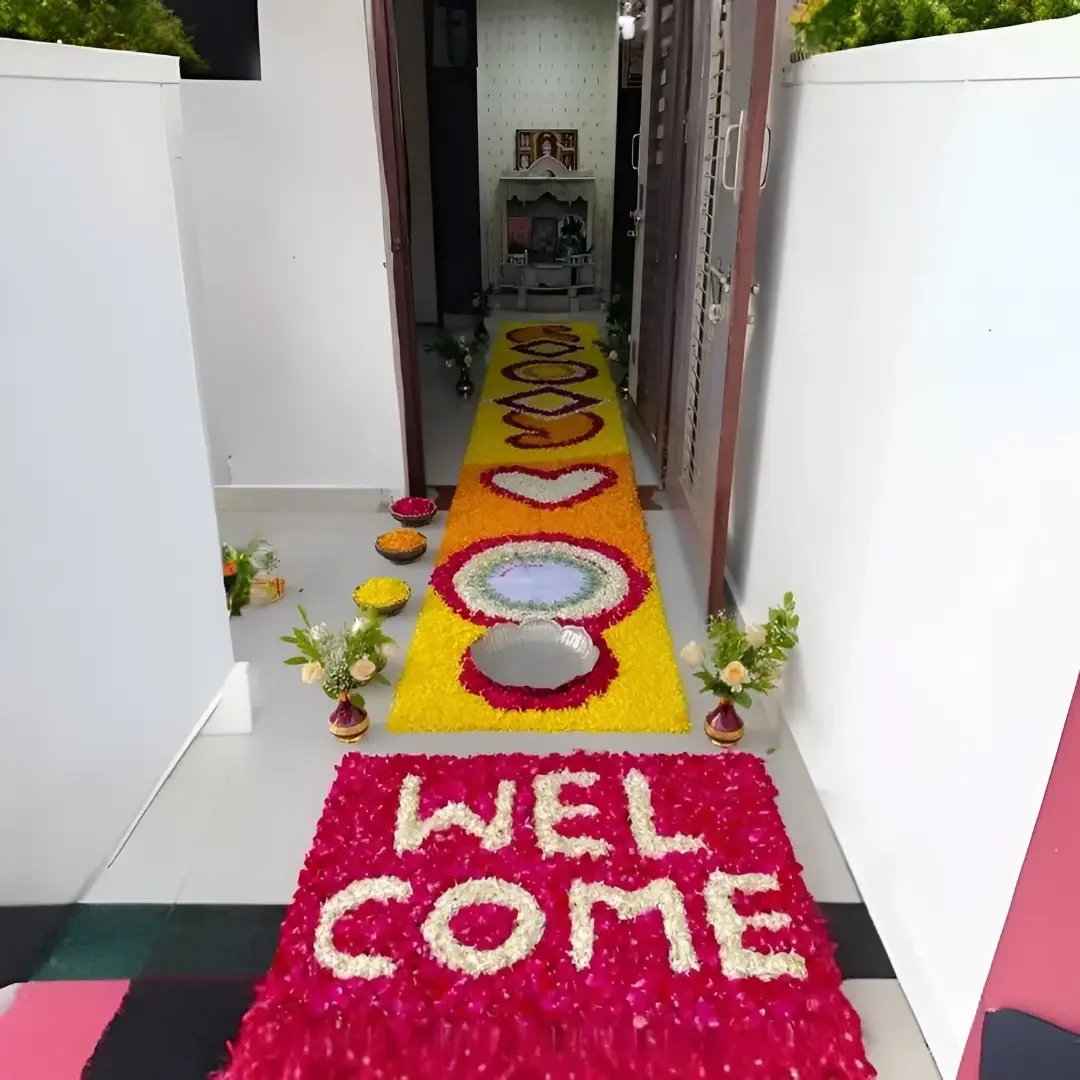
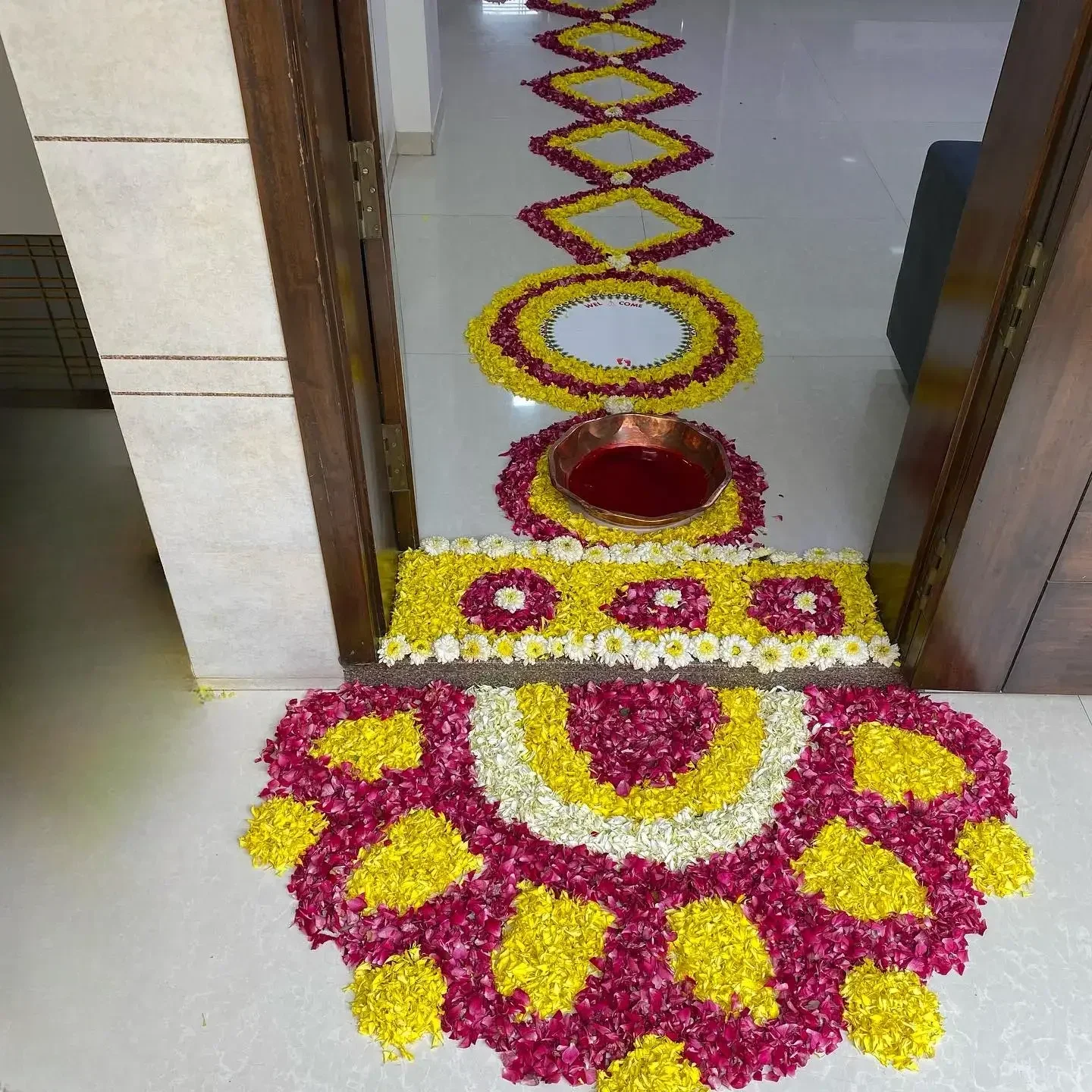
A wedding in Jaipur might call for a structural marigold-and-rose gate framed against a haveli's stone archways, heavy on gold and red. A wedding in Kerala might lean toward banana leaves, jasmine strings, and temple-style brass lamps rather than a Western-style floral arch. A Punjab farmhouse wedding often wants scale — big, bright, photograph-ready structures visible from across an open lawn. A Mumbai or Bangalore indoor banquet hall setup is usually more compact, more designed around lighting than open-air structure. None of these are "better" — they're different answers to the same underlying question, and a decorator working PAN India needs to actually understand the regional context rather than shipping the same Delhi-style setup to every city.
Destination Weddings Bring Their Own Set of Decisions
A growing share of our PAN India bookings are destination weddings — families getting married in Udaipur, Goa, Jaipur, or a hill-station resort, often with guests travelling in from multiple cities. For these weddings, bride welcome decoration has to solve a slightly different problem: the decor needs to work with a venue the family has usually only seen in photos, coordinated by a team that may be travelling in specifically for the event, often within a tight multi-day wedding schedule that leaves little room for last-minute changes.
The practical difference this makes is in planning lead time and communication. For a destination wedding, we typically ask for venue photos or a site visit well in advance, confirm exactly which local flowers and materials will be available on the ground versus what needs to travel with the team, and build in a buffer day for setup wherever the wedding schedule allows it. Families sometimes assume a destination location automatically means a smaller, simpler setup — in our experience it's often the opposite, since these are usually the weddings where every moment, including the welcome, gets the most photography and video attention.
Regional Flower and Style Preferences Worth Knowing
If you're planning a bride welcome decoration outside the North Indian wedding tradition, it helps to know what's genuinely traditional versus what's just commonly marketed. In South Indian weddings, jasmine, marigold, and banana leaf motifs carry real cultural weight and are often preferred over heavier Western floral arch styles. In Bengali weddings, red and white — particularly white flowers against red drapery — reflect the bridal colour palette itself, so welcome decor often echoes that rather than clashing with it. In Gujarati and Rajasthani weddings, marigold remains dominant, but often paired with mirror work, bandhani-pattern drapery, and brighter, more maximalist colour combinations than what's typical in a Delhi setup. Punjabi weddings frequently favour scale and drama — larger floral installations, sometimes combined with dhol and entry performances that the decoration needs to be planned around rather than in isolation.
None of this means a family has to follow their regional default — plenty of couples deliberately mix traditions or go entirely non-traditional. But knowing what's regionally expected helps set a realistic conversation with family members who may have strong opinions about "how it's supposed to look," which is often where wedding decoration disagreements actually originate.
How Pricing Shifts Across Cities
Bride welcome decoration costs vary meaningfully by city, largely driven by local flower availability, labour costs, and venue type. Tier-1 cities like Delhi, Mumbai, and Bangalore tend to sit at the higher end for comparable setups, given both material costs and vendor demand. Tier-2 cities and smaller towns can often deliver a similarly elegant result at a lower cost, simply because local flower sourcing and labour are less expensive — though destination and hill-station locations sometimes reverse this, since materials frequently need to be transported in. For PAN India bookings specifically, it's worth having an honest conversation upfront about what's realistically achievable with local sourcing at the venue versus what needs to be carried or shipped in, since that's usually the biggest swing factor in the final cost, more than the design itself.
Booking Timelines for Non-Local Cities
For any city outside our core Delhi NCR service area, we recommend reaching out at least 4-6 weeks ahead of the wedding date, and earlier still during peak wedding season (October through February) or for destination weddings requiring travel and site coordination. This lead time isn't just about our own scheduling — it's what allows us to properly research local flower availability, understand the venue's actual layout rather than working from photos alone, and build in a realistic contingency if something needs to change closer to the date. Families who reach out with only a week or two of notice for an out-of-city wedding can usually still be accommodated, but with fewer style and material options than a properly planned booking would allow.
Cities We Serve Across India
Our PAN India bookings span both major metros and growing Tier 2 cities, and we plan each one differently based on local vendor networks, flower availability, and venue types common to that city.
Tier 1 Cities: Delhi, Mumbai, Bangalore, Chennai, Kolkata, Hyderabad, Pune, and Ahmedabad. These cities typically have the widest range of banquet halls, farmhouses, and five-star venues, along with strong local flower markets — which usually means more style options and faster sourcing, though also higher vendor demand during peak wedding season.
Tier 2 Cities: Jaipur, Lucknow, Chandigarh, Indore, Nagpur, Surat, Kochi, Coimbatore, Bhopal, Dehradun, and Amritsar, among others. These cities often work out more cost-effective for comparable setups, thanks to lower local material and labour costs, though we build in slightly more lead time here to properly scope local sourcing options and venue logistics before finalising a plan.
If your city isn't listed above, don't assume it's out of reach — reach out with your location and date, and we'll tell you honestly what's achievable and what kind of lead time it would need.
Final Thought
A bride's welcome is one of the shortest, most photographed, most emotionally loaded moments of the entire wedding — and that doesn't change whether it's happening in a Delhi banquet hall or a Udaipur palace. What changes is everything around it: the flowers, the colours, the architecture, the logistics of getting it right in a city your decorator may not know intimately. That's exactly the gap we try to close at Floriwish for PAN India bookings — bringing the same attention to detail and honest planning conversations to a wedding in Kochi or Jaipur that we would to one down the road in Delhi.
If you're planning a wedding outside Delhi NCR and want to talk through what's realistic for your specific venue and city, reach out with your date and location — we'll tell you honestly what we can do, what we'd need to plan around, and how far ahead to lock things in.
Frequently Asked Questions
Everything you need to know about our products, bookings & delivery